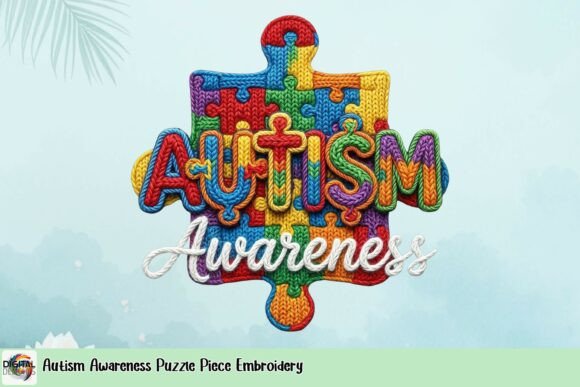
Autism Awareness Puzzle Piece Embroidery
A First Glance That Stops Booth Walkers in Their Tracks
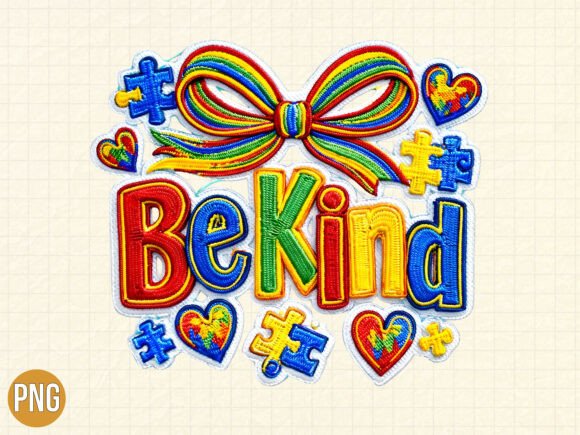
As an embroidery designer who’s stitched over 300 craft fair seasons—from snowy holiday markets to sun-drenched summer bazaars—I know instantly when a design has stall power. Autism Awareness Puzzle Piece Embroidery delivers that. It reads bold, modern, and warmly inclusive—not clinical or overly literal. The vibrant puzzle piece, built from varied thread colors, feels joyful and intentional; the “Autism Awareness” lettering in a fun, textured font adds personality without sacrificing legibility. This isn’t a minimalist whisper—it’s a confident, handmade statement. It leans into color and texture, making it ideal for makers who sell with heart, not just hustle.
Where It Shines: Craft Fair Products That Sell
On my own booth table—lined with embroidered tote bags, aprons, tea towels, patches, caps, and small fabric pouches—Autism Awareness Puzzle Piece Embroidery stands strongest on pieces where visibility and emotional resonance intersect.
- Tote bag design: Centered on a natural canvas or oatmeal linen tote, it reads clearly from six feet away—ideal for shoppers scanning booths quickly. The puzzle piece’s color blocks pop against neutral backgrounds, reinforcing its role as a craft fair product with instant recognition.
- Apron embroidery: Placed above the pocket or centered on the bib, it signals purpose and pride. Parents, educators, and therapists gravitate toward this placement—it feels personal, not promotional.
- Embroidered patch: This is where Autism Awareness Puzzle Piece Embroidery becomes infinitely versatile. Iron-on or sew-on, it lets customers personalize backpacks, jackets, or denim vests—turning a static design into a shared, wearable story. Patches also photograph beautifully for Etsy listings and printable mockups.
- Tea towel embroidery: Works best on medium-weight cotton or linen blends. The textured font holds up well on fabric with gentle nap, and the puzzle piece’s shape avoids bleeding into towel hems or seams.
- Caps and small pouches: Use caution here. The design’s detail demands careful scaling—more on that below.
What Holds It Back (And How to Fix It)
Autism Awareness Puzzle Piece Embroidery is strong—but not universally scalable. Its charm lives in contrast and clarity, which means production choices directly impact buyer engagement.
The phrase “fun, textured font” hints at potential challenges: tiny serifs, tight kerning, or overlapping stitch layers could blur on dark fabric or dense textiles like terry cloth towels. Likewise, the puzzle piece’s multi-color composition risks muddiness if thread colors aren’t carefully balanced against the base fabric. On curved cap surfaces, distortion can soften edges—so always test hoop size and stabilizer combo before batch production.
Stitch density matters more than usual here. A tightly packed puzzle piece may pucker thin cotton or stiffen a soft pouch beyond usability. For small shop products like keychain pouches or mini pillow covers, consider offering a simplified version—perhaps just the puzzle outline + “Awareness” in clean block letters—as a companion design asset.
Real-World Production Notes Every Embroidery Designer Should Run
Before cutting your first production run, treat Autism Awareness Puzzle Piece Embroidery like any commercial embroidery file you’d license: verify, then validate.
- Test the machine embroidery design on scrap fabric matching your intended product—especially for textured towels or thick twill caps.
- Check thread contrast: lay each color over your top three fabric options (e.g., navy, oatmeal, charcoal) and hold them in natural light. Does “Autism Awareness” stay readable?
- Review spacing between puzzle segments and text—tight gaps can collapse during stitching, turning “diversity” into visual noise.
- Confirm hoop size compatibility. If the full design requires a 5x7 hoop but your best-selling tote uses a 4x4 setup, resize thoughtfully—or position it as a premium upsell.
- Inspect stitch density visually and by touch. Run a finger over the test sample: does it feel smooth and secure, or stiff and brittle?
- Use cutaway stabilizer for structured items (caps, pouches) and tear-away for softer goods (tea towels, pillow covers).
- Create at least one real mockup—not just a digital preview. A photo of the design stitched on your actual tote fabric beats ten printable mockups for booth confidence.
- Compare fabric colors side-by-side: what reads vibrant on screen may mute on off-white linen. Adjust thread selection accordingly.
- Confirm commercial licensing terms before selling finished product. Even if marketed as a T-Shirt Designs graphic, its use on embroidered patches or market bags falls under commercial embroidery—and requires proper rights clearance.
Why It Strengthens Your Booth—and Your Brand
Autism Awareness Puzzle Piece Embroidery doesn’t just fill space—it invites conversation. At craft fairs, I’ve watched customers pause, point, and ask, “Is this for your family?” or “Do you donate part of the proceeds?” That kind of connection lifts average foot traffic into meaningful buyer engagement. It reinforces handmade quality through visible texture and thoughtful color layering—not generic clip art.
When displayed consistently across tote bags, patches, and aprons, it builds brand consistency without feeling repetitive. And because it balances symbolism with approachability, it avoids the “too serious” or “too cute” traps that weaken many awareness-themed designs.
For Etsy sellers and digital embroidery file creators, this design translates seamlessly into layered product listings: offer the full-size file, a 3x3 simplified variant, and a black-and-white version for monochrome lovers—all tagged clearly as graphics for craft fair product development.
Final Thought: Design With Intention, Stitch With Care
Autism Awareness Puzzle Piece Embroidery succeeds not because it’s trendy, but because it’s human. It carries weight without heaviness, color without chaos, and message without monotony. As a professional embroidery designer, I recommend it highly—for makers who value both aesthetic integrity and authentic storytelling. Just remember: every stitch tells a story. Make sure yours is clear, confident, and crafted to last.