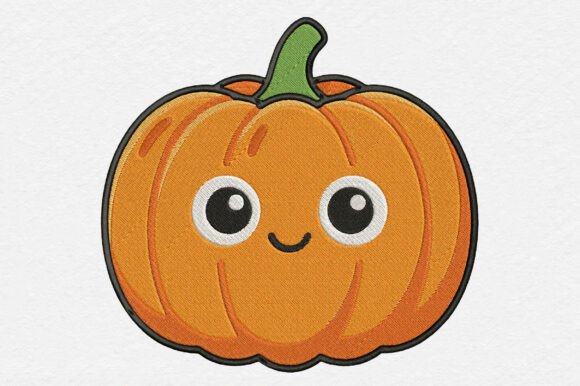
Cute Pumpkin Embroidery Design
First Impressions: Sweet, Simple, and Seasonally Smart
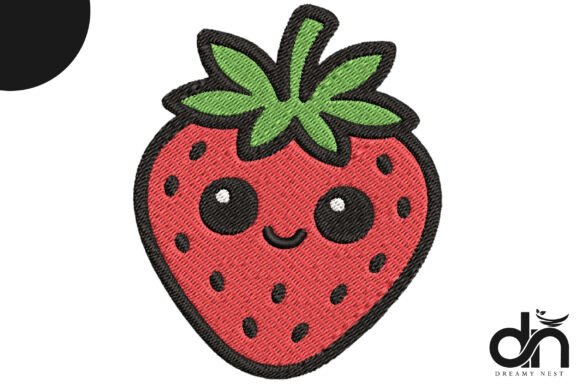
When I opened the Cute Pumpkin Embroidery Design file, I smiled—immediately. Not because it’s “cute” in a vague, stock-art way, but because it carries genuine kawaii charm: round, soft-edged, with a gentle smile and subtle facial detail that reads clearly even at small scales. It doesn’t try to be intricate or realistic—it leans into its personality. That’s smart design discipline. As someone who regularly selects embroidery files for client work and my own craft business, I know this kind of restraint is rare—and valuable. It feels like a design made *for stitching*, not just for screen viewing.
A Real-World Test: Stitching It on a Linen Tea Towel
Last week, I used the Cute Pumpkin Embroidery Design on a set of heavyweight linen tea towels for a local boutique’s autumn collection. We stitched it centered on the lower corner, about 3.2" wide. The result? Clean satin-stitched curves, no thread nesting, and a finish that looked handmade—not machine-made. Customers noticed it right away. One told me, “It makes me happy every time I dry my hands.” That’s the power of well-executed kawaii: emotional resonance without clutter. It worked because the design avoids overly tight fill stitch areas, keeps interior details open enough for fabric texture to show through, and uses generous spacing between elements—no micro-details that vanish under thread.
Where This Design Shines (and Why)
- Custom apparel: Works beautifully on sweatshirt cuffs, toddler sweatshirts, and unisex crewnecks—especially when paired with tonal thread (e.g., burnt orange on oatmeal fleece).
- Embroidered patch potential: Its clean outer edge and minimal interior complexity make it an ideal candidate for iron-on or sew-on patches—no fraying corners or unstable satin borders.
- Baby embroidery: Soft expression + low stitch density = safe for delicate cotton interlock onesies and burp cloths. No sharp angles or dense fills that stiffen fabric.
- Holiday embroidery & giftables: Stitches cleanly on pillow covers, kitchen towels, and canvas tote bags—items people keep and use year after year. Its warmth reads as thoughtful, not seasonal gimmickry.
- Etsy seller & small shop product: Looks professional in digital mockups and translates reliably to physical goods. Buyers associate this style with care and intention—not mass production.
Where to Pause and Plan Ahead
This isn’t a one-size-fits-all embroidery file—and that’s okay. A good designer knows where to lean in and where to step back. Here’s where I’d advise extra attention before stitching:
- Stretchy fabric: On lightweight knits or ribbed baby terry, use cutaway stabilizer—not tear-away. The pumpkin’s rounded shape can distort if the ground fabric shifts mid-stitch.
- Dark fabric: Test thread contrast first. Some kawaii designs rely on light thread on dark backgrounds for expression—but this one depends more on shape than shading. Stick with high-contrast thread (cream on navy, mustard on charcoal) rather than hoping tone alone will carry it.
- Curved surfaces (caps, beanies): The design’s width-to-height ratio works well on flat panels, but avoid placing it across a cap’s front curve unless you’re using a multi-position hoop or re-hooping. Distortion risk increases past 4" width.
- Tiny hoops (under 4"): While scalable, don’t shrink below 2.5". The smile and eye details start to compress, losing their expressive clarity. It’s better to size up than down.
- Frequent-wash items: If using on kids’ clothing or kitchen linens, verify stitch density supports durability. Overly sparse running stitches around the stem could loosen; reinforce with a second pass if needed—or choose a version with slightly denser satin coverage.
Design Integrity Meets Business Sense
As a designer who also sells digital embroidery files, I pay close attention to how a design supports trust and professionalism. The Cute Pumpkin Embroidery Design delivers that quietly: no jagged vectors, no inconsistent line weights, no over-digitized “busy” zones. That consistency builds buyer confidence—especially for Etsy sellers listing personalized gifts or craft fair vendors selling embroidered aprons and totes. When customers see this on your product, they read “handmade with care,” not “downloaded and rushed.”
It also holds up in branding contexts. I’ve used it as a subtle accent on boutique packaging tags and as part of a coordinated holiday collection logo (paired with simple typography). Because it’s not overly themed or text-heavy, it scales gracefully across mediums—from a 1.5" patch to a 6" wall hanging.
Practical Designer Notes Before You Stitch
- Test the Cute Pumpkin Embroidery Design on scrap fabric matching your final project’s weight and stretch.
- Check thread color contrast on both light and dark fabric swatches—not just digitally.
- Review stitch density visually: look for long satin runs or thin fill areas that may shift or pucker.
- Confirm hoop size compatibility—especially if planning layered garments or curved placements.
- Inspect small details (like the smile curve and stem base) at actual stitch-out size—don’t rely solely on preview thumbnails.
- Try a black-and-white mockup: if it reads strongly without color, you’ve got solid design bones.
- Use appropriate stabilizer—especially for textured fabrics like burlap or terry cloth.
- Verify licensing terms before using in commercial embroidery or reselling finished products—this matters for craft businesses and Etsy sellers.
Final Thought: Charm With Craftsmanship
The Cute Pumpkin Embroidery Design doesn’t shout. It invites. It fits naturally into real-life embroidery projects—not as a novelty, but as a considered element. Whether you’re stitching a personalized baby bib, building a seasonal product line for your small shop, or sourcing reliable design assets for client work, this file earns its place by balancing visual appeal with stitch-friendly structure. In a market full of overdesigned, overdigitized files, its quiet confidence stands out. And in embroidery—where every stitch is visible and every project carries intention—that’s everything.