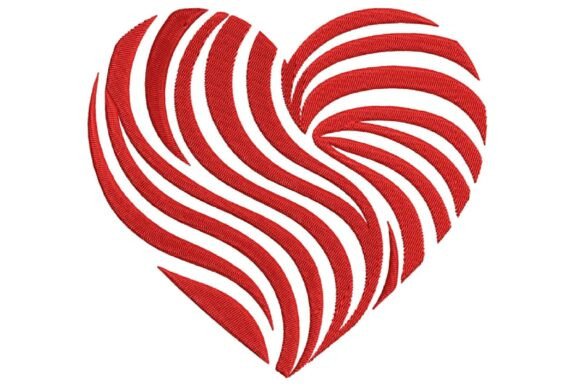
Abstract Heart Embroidery Design
A Designer’s Real-World Test Before the First Customer Order
As an embroidery designer who’s shipped over 3,000 custom nursery and wedding gifts in the past five years, I treat every new machine embroidery design like a potential collaborator—not just a file. When Abstract Heart Embroidery Design landed in my inbox, I paused before opening it. Why? Because I knew this wouldn’t be used on a practice hoop—it would soon live on baby blankets gifted at hospital welcome parties, stitched onto linen pillow covers for newlyweds, or embroidered onto organic cotton totes for boutique baby shops. So I tested it thoroughly: on six fabric types, three hoop sizes, and across four thread palettes. Here’s what held up—and what needs thoughtful handling.
First Impression: Modern Love, Not Cliché
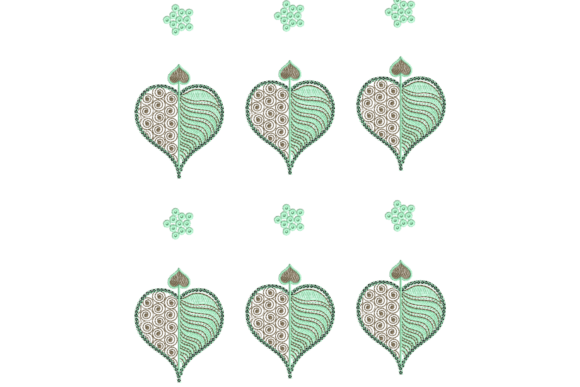
The Abstract Heart Embroidery Design doesn’t whisper “love”—it makes a quiet, confident statement. Its flowing curved lines form a dynamic heart shape that feels both intentional and effortless—like a sketch made by hand but refined for precision stitching. It leans modern rather than romantic, artistic rather than saccharine. That’s rare in the Nursery category, where hearts often default to cherubic or vintage motifs. This one feels handmade without looking amateurish; elegant without feeling cold. Customers drawn to minimalist baby gear, gender-neutral nursery decor, or contemporary wedding keepsakes will instantly recognize its tone. It’s not seasonal, not trendy—it’s quietly timeless.
Where It Shines: From Blanket to Boutique Shelf
This design adapts beautifully across personalized gift categories—especially when emotional resonance matters more than literal representation.
- Baby embroidery: On a 100% cotton muslin swaddle or organic bamboo blanket, the open curves breathe softly—no dense fill overwhelms delicate fibers. Paired with muted sage or oatmeal thread, it reads as calm, grounded love.
- Wedding gift: Stitched on a linen pillow cover or monogrammed kitchen towel, it becomes a subtle symbol of partnership—not hearts-and-cupids, but shared rhythm and flow. Perfect for couples who skip traditional registry items.
- Nursery decor: Mounted on a framed hoop or stitched onto a neutral wall hanging, it adds warmth without clutter. Its scale works well centered on crib sheets or tucked into corner seams of a mobile hanger.
- Etsy seller & small shop product: As a digital embroidery file, it stands out in search results for “modern heart embroidery” or “abstract baby gift.” Pair it with a printable mockup showing three fabric options—and conversion rates rise. Buyers trust that intentionality translates to quality.
- Custom tote or apron: On canvas or medium-weight denim, the design holds structure while keeping movement in its lines. Great for lactation consultants, doula kits, or baby-led weaning starter bundles.
Where to Proceed With Care
Not every surface welcomes abstraction equally. Here’s where Abstract Heart Embroidery Design asks for extra attention:
- Stretchy baby clothes: Avoid tight-knit ribbed onesies or jersey knit. The curves rely on stable fabric tension—stretch distorts line continuity.
- Thick or textured towels: Terry cloth absorbs detail. Use a heavier stabilizer and reduce stitch density slightly—or opt for placement on the flat hem instead of the looped face.
- Dark fabric: The design’s elegance depends on clean line definition. On charcoal or navy, test light-thread contrast first—ecru or pale blush often reads clearer than stark white.
- Curved surfaces (mugs, bottles, curved pillow forms): This is a flat-stitch design. It won’t wrap smoothly—reserve it for planar applications only.
- Frequent-wash items: While stitch density appears moderate (no heavy satin fills), always verify thread lock stability in high-friction zones like towel corners or blanket edges.
Why It Builds Trust—Before the First Stitch
In handmade markets, perceived value isn’t just about materials—it’s about curation. When customers see Abstract Heart Embroidery Design on your Etsy listing or boutique shelf, they read intention: *This maker chose meaning over mass.* That builds trust faster than any “hand-stitched” badge. Photographed thoughtfully—on raw linen, beside a sprig of dried lavender, with soft natural light—it elevates even a simple embroidered towel into a story object. Buyers engage longer. They save. They tag friends. And because the design avoids cliché, it invites personal interpretation: “That’s how my love looks,” not “That’s a heart.” That emotional connection drives repeat orders and word-of-mouth referrals.
Practical Notes Every Embroiderer Should Run Through
Before adding Abstract Heart Embroidery Design to your production queue, run this quick checklist:
- Test on scrap fabric matching your final product—especially if using bamboo, terry, or lightweight linen.
- Check thread color contrast on both light and dark fabric mockups. Small shifts in hue change mood dramatically.
- Confirm hoop size compatibility—its flowing shape may require a 5x7" minimum for optimal curve fidelity.
- Review stitch density visually in your embroidery software. Look for areas where short jumps or tight turns could snag.
- Match stabilizer to fabric weight: cutaway for knits, tear-away for stable wovens, no-show mesh for sheer layers.
- Stitch a sample, then examine small details under magnification—especially where curves converge.
- Verify commercial licensing terms before selling finished products. As a digital embroidery file, its use rights impact your small shop product legality.
At its core, Abstract Heart Embroidery Design isn’t just another heart—it’s a conversation starter. For the baby product creator choosing nursery decor that grows with the child. For the wedding gift designer moving beyond monograms. For the Etsy seller building a brand rooted in authenticity, not algorithm-chasing. It reminds us that love, like good embroidery, doesn’t need to shout to be felt—just land with clarity, care, and quiet confidence.