Beehive Embroidery: Rustic Charm That Sells
First Impression: Warm, Natural, and Instantly Recognizable
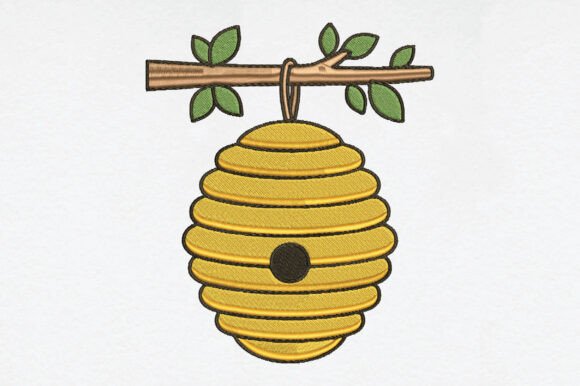
As an embroidery designer who’s prepped over 200 craft fair booths, my gut reaction to Beehive Embroidery is immediate: this is a rustic-farmhouse standout with quiet confidence. It doesn’t shout—it hums. The mental image of a honeycomb hanging from a weathered branch with soft leaves suggests organic texture, gentle movement, and earthy storytelling. That’s gold for handmade markets where shoppers lean into authenticity, not flash. It lands firmly in the “natural charm” lane—not too cutesy, not overly scientific, and never cartoonish. For Etsy sellers and boutique makers, that balance means broader appeal: garden lovers, beekeepers, cottagecore fans, and eco-conscious buyers all pause at this motif.
Where Beehive Embroidery Shines on Craft Fair Products
In my booth setup—tote bags front-and-center, aprons draped over a wooden crate, tea towels folded beside embroidered pouches—Beehive Embroidery performs strongest when it’s both visible and tactile. Here’s how it plays across key items:
- Tote bag design: Centered on the front panel (8–10" wide), it reads clearly from 6 feet away. The branch curves naturally with the bag’s drape—no distortion.
- Apron embroidery: Placed just below the waistband on the pocket or chest, it adds artisanal warmth without overwhelming function.
- Tea towel embroidery: Works beautifully in the lower corner or centered near the top hem. Its natural shape complements linen and cotton textures—no fighting the fabric grain.
- Embroidered patch: A 3" version scales down cleanly and holds detail well for iron-on or sew-on use on denim jackets or market bags.
- Pillow cover & small pouch: As a focal point (4–5"), it feels intentional and giftable—ideal for holiday markets or local boutiques.
It’s less effective on curved surfaces like caps unless resized to 2.5" max and tested thoroughly. And while it *can* go on dark fabric, contrast must be deliberate—cream thread on charcoal linen? Yes. Black thread on navy? Risky without test stitching.
Real-World Selling Strengths
Beehive Embroidery delivers three silent sales advantages at craft fairs: recognition, repetition, and resonance. First, bees are universally understood symbols of community, sustainability, and sweetness—no explanation needed. Second, its structure is highly repeatable: same branch curve, consistent hive geometry, balanced leaf placement. That means faster hooping, fewer re-hoops, and smoother batch production for small shop products. Third, it photographs exceptionally well for Etsy listings and printable mockups—the layered depth (hive + branch + leaves) creates natural shadow play under soft lighting, elevating perceived handmade quality.
Careful-Use Notes Every Designer Should Check
This isn’t a “stitch-and-go” file. As a working embroidery designer, I flag these practical constraints before cutting fabric:
- Dense stitch areas: The honeycomb cells pack tight satin or fill stitches. On textured towels or thick canvas, stitch density may cause puckering—use cutaway stabilizer, not tear-away.
- Tiny details: Individual honeycomb edges and fine leaf veins can blur on low-thread-count fabrics or at sub-2.75" sizes. Always test on your *actual* fabric, not just muslin.
- Fabric texture matters: Waffle-weave tea towels swallow fine detail. Opt for smooth cotton or linen blends instead.
- Dark fabric warning: If using dark thread on dark fabric—or vice versa—verify visibility in person. A printed mockup won’t show thread sheen or subtle dimension.
Also: confirm hoop size compatibility early. If the full design exceeds 5×7", it may not fit standard home embroidery machines—critical for Cricut and small-batch crafters.
How It Elevates Your Booth & Brand
In a sea of florals and typography, Beehive Embroidery adds grounded, narrative-driven variety to your display. It strengthens booth cohesion when paired with complementary designs (e.g., wildflower patches or honey jar prints)—but stands powerfully alone. Customers engage longer with pieces that tell a quiet story, and this design invites questions: “Is that real honeycomb?” “Do you make custom hives?” That interaction builds connection—and conversions. For Etsy sellers, it supports brand consistency across product lines: same rustic tone on aprons, totes, and pillow covers tells shoppers, “This maker has intention.”
Essential Designer Prep Checklist
Before embroidering your first craft fair batch, do these six things:
- Test the machine embroidery design on scrap fabric matching your final product’s weight and weave.
- Check thread contrast—hold stitched samples under natural light *and* booth-style LED lighting.
- Review spacing between hive, branch, and leaves—tight gaps may collapse in dense stitching.
- Confirm hoop size and whether the digital embroidery file includes multiple sizes (essential for patches vs. tote bags).
- Inspect stitch density in the honeycomb section—if it looks heavy on screen, it will feel stiff on fabric.
- Use the right stabilizer: cutaway for stretchy or textured fabrics; lightweight tear-away only for stable quilting cotton.
And one non-negotiable: create at least one real finished product—not just a digital mockup—before ordering bulk fabric. Hold it in your hand. Drape it. See how light hits the hive cells. That physical check reveals what screens hide.
Final Thought: A Quiet Workhorse Design
Beehive Embroidery isn’t flashy—but in handmade markets, quiet confidence sells. It bridges the Bugs category with warmth and artistry, avoiding novelty fatigue while delivering genuine charm. For embroidery business owners building scalable product lines, it’s a versatile, photograph-friendly, emotionally resonant asset. Just remember: its rustic appeal depends entirely on execution. Respect the detail, honor the fabric, and let the hive speak for itself—one thoughtful stitch at a time.