Tulip and Daisy Garden Embroidery
A Seasonal Designer’s First Impression
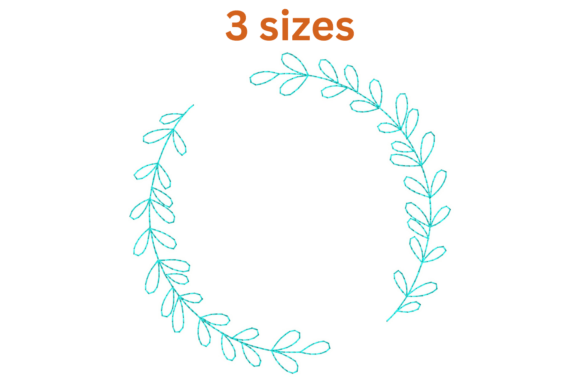
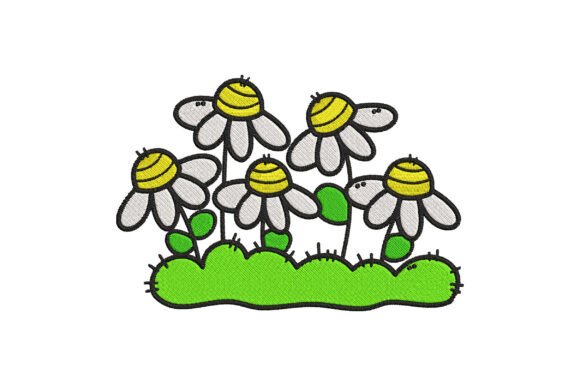
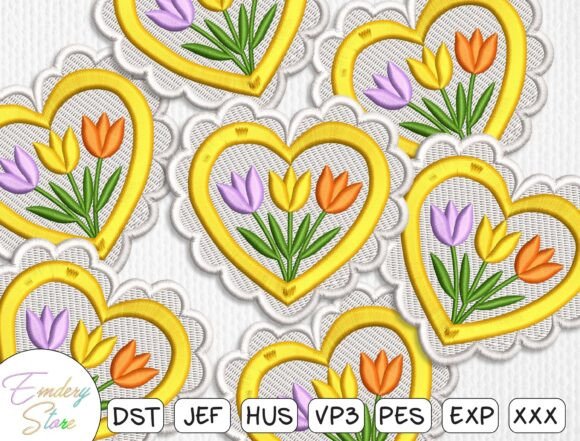
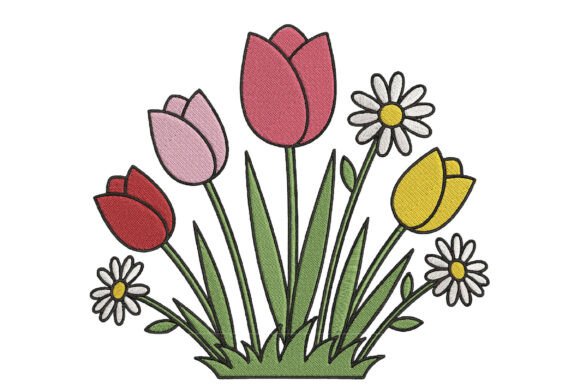
As an embroidery designer who’s built dozens of holiday collections for Etsy sellers, craft fairs, and small-batch apparel lines, my first glance at Tulip and Daisy Garden Embroidery lands with immediate warmth. It reads as cheerful, optimistic, and quietly timeless — not overly trendy, but deeply resonant for spring celebrations, Mother’s Day, Easter gifting, and early-summer weddings. The mood is romantic yet approachable, elegant without stiffness, and playful without sacrificing detail. Tulips bring a touch of refined joy; daisies add lightness and nostalgia. Together, they form a balanced floral wreath that feels like a gentle invitation — perfect for handmade gifts meant to comfort, celebrate, or commemorate.
Where This Design Shines in Real Holiday Selling
Tulip and Daisy Garden Embroidery thrives where emotional connection meets practical execution. On sweatshirt embroidery, it softens casual wear with garden-fresh charm — ideal for family matching sets (think coordinating toddler tees, mom hoodies, and dad caps). As a tote bag design, it transforms everyday carry into a gift-ready statement, especially when paired with linen or canvas textures. For kitchen towel embroidery or pillow cover applications, the design adds botanical sophistication to home decor without overwhelming the space.
Etsy sellers will find this machine embroidery design highly convertible: list it alongside printable mockups showing embroidered aprons, table linens, and baby onesies, and watch engagement rise. Its natural rhythm lends itself to limited edition drops — imagine “Spring Bloom Boxes” with embroidered patches, seed packets, and hand-stamped tags. On social media previews, Tulip and Daisy Garden Embroidery performs well in flat-lay shots beside mugs, candles, and dried florals. It also scales beautifully into printable promotional graphics for email campaigns or craft fair banners — its clean silhouette reads clearly even at thumbnail size.
Smart Placement & Thoughtful Limitations
While versatile, this seasonal embroidery design requires thoughtful application. Avoid cramming it into tiny hoop sizes — the interplay between tulip petals and daisy centers needs breathing room to read clearly. On thick towels or dense fabrics, stitch density may require testing: too many overlapping fills can cause puckering or thread breakage. Dark fabric demands careful thread color selection; pastel pinks and creamy whites pop best when contrasted against charcoal or navy, but test first on scrap fabric.
Stretchy garments (like ribbed knits or lightweight jerseys) need stabilizer reinforcement — especially under the daisy centers, where fine detail could distort during wear or washing. Curved surfaces like baseball caps or curved ornaments benefit from digitizing adjustments not included in the base embroidery file — consider working with a digitizer if scaling for those formats. Metallic thread isn’t recommended here; the delicate daisy outlines and layered tulip stems rely on smooth satin and fill stitches for clarity.
Why It Builds Trust & Giftability
Holiday shoppers buy emotion first, then product. Tulip and Daisy Garden Embroidery delivers instant visual recognition — a hallmark of strong seasonal embroidery. Its floral wreath structure signals care, intention, and craftsmanship. That translates directly to perceived value: customers are more likely to pay a premium for a personalized gift stitched with this design versus a generic floral motif. For small shop owners, consistency matters — use it across your spring line (tote bags, pillow covers, embroidered patches) and customers begin to associate your brand with fresh, heartfelt style.
It also supports repeat purchases: someone who buys a kitchen towel embroidered with Tulip and Daisy Garden Embroidery may return for matching napkins or a baby blanket. That cohesion builds trust — shoppers know what quality and aesthetic to expect. During high-intent holiday shopping periods, recognizable, emotionally grounded designs like this reduce decision fatigue and increase conversion, especially when featured in curated bundles (“Mother’s Day Garden Set” or “New Baby Bloom Kit”).
Practical Designer Notes Before You Stitch
- Test thread colors on both light and dark fabric — especially for the daisy centers and tulip stems, which anchor the design’s balance.
- Check stitch density before mass production — dense fills behave differently on terry cloth versus cotton poplin.
- Confirm hoop size compatibility with your target products — some versions may be optimized for 4x4”, others for 5x7” or larger.
- Use proper stabilizer: medium-weight cutaway for stable fabrics, tear-away for lighter linens, and fusible for stretchy knits.
- Create realistic mockups — don’t rely solely on digital previews. Stitch a sample on your actual fabric and photograph it in natural light.
- Review small details after stitching: ensure daisy petals remain distinct and tulip stems don’t blur into background fills.
- Plan matching color palettes across your product line — coordinate thread shades with packaging, tags, and social media visuals.
- Confirm commercial licensing before selling finished seasonal products — this is essential for Etsy sellers and small business owners using digital embroidery files.
Final Thought: A Design That Grows With Your Shop
Tulip and Daisy Garden Embroidery isn’t just another floral wreath — it’s a flexible, emotionally intelligent tool for seasonal storytelling. Whether you’re launching a spring capsule collection, refreshing your holiday gift guide, or building a signature look for your small shop product line, this embroidery file earns its place through versatility, warmth, and quiet professionalism. It works as hard as you do — supporting handmade gift appeal, elevating personalized gift offerings, and reinforcing brand consistency across sweatshirt embroidery, kitchen towel embroidery, pillow cover releases, and beyond. Just remember: great seasonal embroidery starts with smart prep, honest testing, and respect for how real people live with and love their embroidered pieces.